China’s Zhuque-3 Lands Its Booster Again, Cementing Reusable Rocket Status
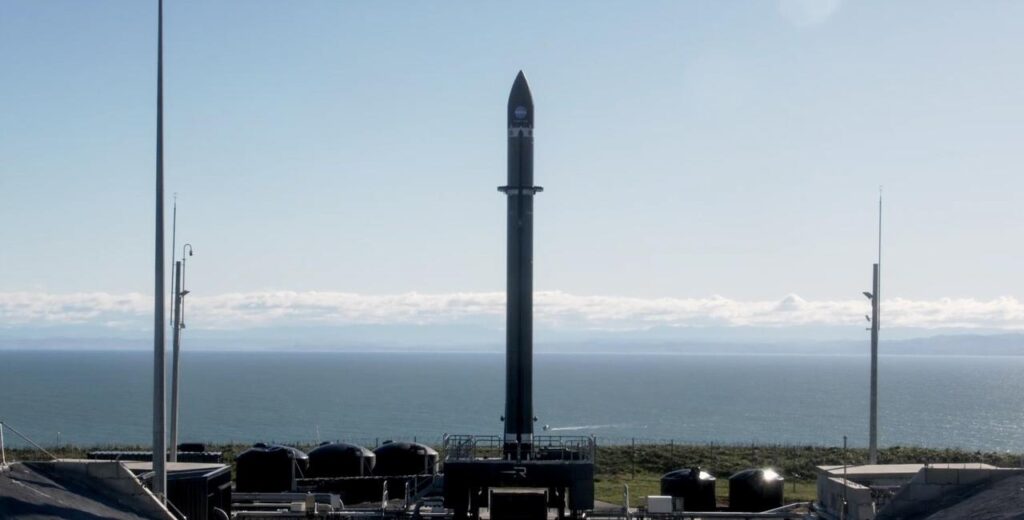
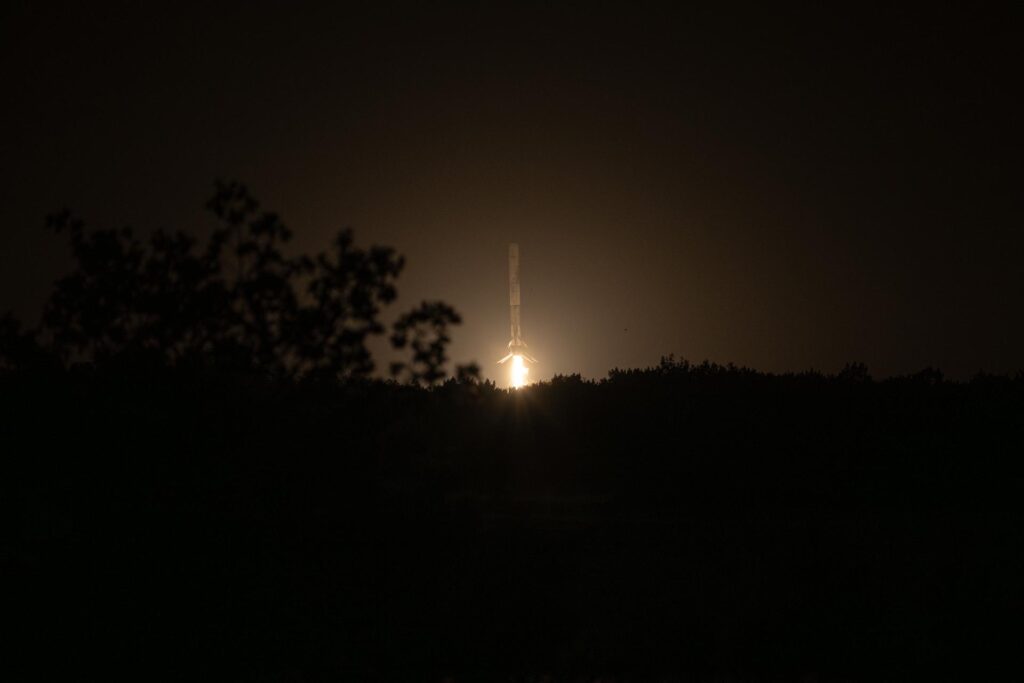
LandSpace pulled off its second consecutive booster landing this week, launching a Zhuque-3 rocket from a pad in the Gobi Desert and guiding the first stage back down for a controlled touchdown. It’s the second orbital flight for the methane-fueled rocket, and the second time the company has recovered the booster intact, according to SpaceNews.
The achievement matters because it wasn’t a fluke. A single successful landing can be written off as luck; two in a row starts to look like a repeatable process. LandSpace becomes the first Chinese commercial launch company to demonstrate that kind of consistency with an orbital-class booster, closing some of the distance to SpaceX’s Falcon 9 program. Coverage from NASASpaceflight.com noted that the flight also validated changes to the vehicle’s landing sequence following the first mission.
For China’s commercial space sector, which has been racing to catch up on reusability, this is the clearest signal yet that a domestic company can make it work at orbital scale — not just on paper, but on the pad, twice.
Mars Express Flies Past One of the Red Planet’s Biggest Craters
Closer to home — relatively speaking — the European Space Agency released a new flyover sequence of Schiaparelli Crater, one of the largest impact basins on Mars, built from imagery captured by the long-running Mars Express orbiter. The visualization sweeps around the crater’s rim and floor, giving a sense of scale that a single still photo can’t convey, according to ESA.
Mars Express has been in orbit since 2003, and sequences like this one are a reminder that some of the most striking planetary imagery still comes from missions that have been quietly working for over two decades. Schiaparelli itself spans roughly 460 kilometers across, and its structure offers scientists a window into impacts that shaped the Martian surface billions of years ago.
Space Nuclear Power Programs Face a Reality Check
Not every story this week was about hardware performing well. Industry officials speaking at recent conferences described space nuclear power efforts — the kind of technology needed for long-duration missions to the Moon and Mars — as being caught between short-term funding uncertainty and longer-term technical hurdles, SpaceNews reported.
The interest is real: nuclear propulsion and power systems promise faster transit times and more reliable energy for surface operations than solar arrays can offer in permanently shadowed or distant environments. But turning that interest into flight hardware is a different problem, and officials were candid that near-term budget pressure is complicating an already technically difficult roadmap.
Also This Week
NASA’s Johnson Space Center put a spotlight on the photographers behind decades of iconic spaceflight imagery — the people documenting astronaut training, mission control, and milestone moments that rarely get credited by name, per NASA’s feature on the center’s photo teams. And skywatchers got a small mystery to chew on, with the Astronomy Picture of the Day team flagging an unusual streak that may or may not have been a meteor, caught in a routine sky photograph.
Sources:
- China’s Landspace recovers booster with second orbital launch of Zhuque-3 rocket — SpaceNews
- Zhuque-3 Completes Second Flight with Successful First-Stage Landing — NASASpaceflight
- Fly around Schiaparelli Crater with Mars Express — ESA
- Space nuclear programs face near- and long-term challenges — SpaceNews
- Behind the Lens: Meet NASA Johnson’s Photographers — NASA
- APOD: The Case of the Mysterious Maybe Meteor — NASA